Welcome! Here, we delve into the transformative role of Artificial Intelligence in education, highlighting its profound impact on learning and teaching methods.


innovateedai.com
Your engagement and insights are crucial as we explore how AI can revolutionize the learning experience, making it more personalized, efficient, and impactful. During the live event, scan the QR code above to access the resource on your phone. If you're not part of a live presentation or are returning, there's no need to scan the QR code—you're already here! You will also be able to revisit this presentation to review the resources in further depth and access the tools provided within.
Throughout the presentation, you will encounter various interactive elements...
Lots and lots of toggles.
Click on them and explore how deep the AI rabbit hole goes. Just like Alice in Wonderland, your curiosity will lead you to new discoveries and insights. How far down the rabbit hole you go is up to you…


Articles and Resources
Articles and Resources
To further enrich your understanding and provide practical tools, we have curated a selection of articles and resources, including specialized GPTs. These resources are designed to deepen your knowledge and offer hands-on experiences with AI in education.

To ensure smooth interaction throughout the presentation, whenever possible, open links and resources in a new tab. You can identify the icon that opens links in a new tab as shown in the images.

Hyperlinks
You will also come across many hyperlinks embedded in the text of the presentation. To open these links in a new tab, click Ctrl + Click or Cmd + Click. This will allow you to seamlessly explore the additional articles, resources, websites, books, and videos that are provided throughout the presentation.

These hyperlinks, often underlined blue words embedded in the text, will guide you to various types of content that illustrate key concepts, showcase real-world applications, and provide step-by-step guides on utilizing AI in education. Engage with these resources to see AI concepts come to life and gain a deeper understanding of their practical applications.

If you prefer to go through the entire presentation without clicking the hyperlinks, so you don't accidentally lose your place, I get it! Rest assured that the resource is certainly created with revisits in mind. Feel free to go through the entire resource and save all the hyperlinks for a second, third, fourth, fifth... exploration of the (ever-evolving) resource!
Enjoy exploring the resources and hyperlinks in a way you find most enjoyable as you delve deeper into the transformative potential of AI in education.
Video Links
To complement your learning experience, we have included numerous video examples throughout the resource. These videos illustrate key concepts, showcase real-world applications, and provide step-by-step guides on utilizing AI in education. You can play these videos directly within the resource or choose to open them in YouTube for a more immersive viewing experience.

Some sections include video demonstrations related to the content. Please note that many of these videos do not have sound. Rest assured; this is not an issue with your computer! You can identify videos without sound by looking for this icon:

In our discussion, we'll embark on a deep dive into the world of Generative AI, exploring:
- What is Generative AI?: Understanding the technology reshaping educational paradigms.
- Exploring Generative AI: Delving into the capabilities of advanced generative AI technology.
- AI in Action: Examining real-world applications in education.
- AI Tools for Learners: Discovering how AI aids student learning.
- AI Detection and Ethics: Discussing the complexities and ethical implications of AI in classrooms.
- Overcoming AI Integration Challenges: Addressing the hurdles of implementing AI in education.
- Forecasting the Future of AI in Education: As we near our conclusion, we will consider future advancements.
Join us as we navigate the exciting and complex world of AI in education. Your engagement and insights are crucial as we explore how AI can revolutionize the learning experience, making it more personalized, efficient, and impactful.
How familiar are you with Generative AI?

Generator? Yea, I got one of those for when the power goes out.

I have read about it in the news, but never used it.

I have heard of it and have used ChatGPT or something similar on a few occasions.

I use a variety of Generative AI tools daily.

The Landscape of Artificial Intelligence
The landscape of artificial intelligence (AI) encompasses a broad range of systems with varying levels of complexity and capabilities. This categorization presents a detailed progression from the least advanced to the most advanced AI systems. Each category provides an overview of the types of AI, their descriptions, examples, and current development status. The sections below will delve into these categories, offering insights into their unique characteristics and potential applications.
The realm of Realized AI represents the cutting-edge technologies and systems currently in operation. This section provides a comprehensive overview of existing AI capabilities, categorized by their specific functions and applications. Realized AI systems are deployed across various industries, showcasing their practical use and the progress made in AI development. Below, we explore different categories of Realized AI, detailing their descriptions, examples, and the impact they have today.
Narrow AI (or Weak AI)
The only type of AI that currently exists in a fully realized and practical form. These AI systems are designed to perform specific, narrowly defined tasks, such as language translation, image recognition, or playing a game like chess or Go. Narrow AI operates within the boundaries of its trained functions and cannot generalize its knowledge to perform tasks outside its specified domains.

- Description: AI systems designed for specific, specialized tasks like language translation or image recognition. They operate by analyzing large datasets to generate outputs but do not have memory or learning capabilities.
- Examples: IBM's Deep Blue chess-playing supercomputer, AlphaGo, the AI that defeated the world champion Go player.
- Description: AI that can recall past events and outcomes, and use both past and present data to inform decisions. It improves with more data over time.
- Examples: Predictive text systems, self-driving car technologies (Waymo) (Tesla Autopilot)(Motional).
- Description: A subset of machine learning models trained to create new data. Unlike predictive models that make decisions or predictions based on specific datasets, generative AI learns to generate new objects, images, text, or sounds that resemble the data it was trained on. It is distinct in its creative output capabilities.
This provides an overview of major generative AI models, their categories, developers, and primary applications. This list is not comprehensive and is continually evolving.
- Description: AI systems that analyze and respond to human emotions. This includes detecting emotions from facial expressions, voice inflections, and physiological signals.
- Examples:
- Azure AI Speech and Microsoft Azure Speech Analytics use AI to analyze and understand spoken language. These services offer capabilities such as:
- Real-time transcription of spoken language into text, useful for meeting notes, closed captions, and voice-command interfaces.
- Sentiment analysis to detect emotions and tones in speech, improving customer service interactions by identifying frustrated or dissatisfied customers.
- Speaker identification and diarization, which can distinguish between different speakers in a conversation and attribute speech segments accordingly.
- Language translation to convert spoken words from one language to another in real-time.
- Affectiva uses emotion AI in advertising research and automotive AI.
- Microsoft Dynamics 365 Contact Center uses AI to analyze customer interactions and help agents respond appropriately.
- MoodCapture uses facial recognition to predict depression from in-the-wild images.
- According to Psychology Today, AI can detect depression by recognizing voice biomarkers, potentially offering more accurate screenings than traditional methods. This technology raises ethical and privacy concerns but promises early detection and intervention in mental health.
- Description: AI systems capable of interpreting human thoughts and dreams by analyzing brain activity patterns. This includes the development of brain-computer interface (BCI) technologies and the use of functional MRI (fMRI) data to reconstruct visual images seen by the brain. Additionally, these systems are advancing neuroprosthetics, enabling more natural and intuitive control of prosthetic limbs, and facilitating direct communication between the brain and external devices.
- Examples:
- Neuralink and similar companies are developing BCIs for direct communication between the brain and external devices. For instance, MIT researchers, in collaboration with Brigham and Women’s Hospital, have developed a neuroprosthetic interface that allows a natural walking gait using a prosthetic leg driven by the body’s nervous system. This surgical intervention reconnects muscles in the residual limb, enabling proprioceptive feedback about the prosthetic limb’s position

05:07

YouTube
Brain Implant for Controlling Personal Tech Reaches New Milestones
Synchron, makers of an implantable brain-computer interface, unveiled new demos of how the device could be used to control Amazon Alexa devices like the Fire Tablet and Apple's Vision Pro headset. Read more about Synchron on CNET.com: Brain Implant Controlling Apple and Amazon Devices Reaches New Milestone https://cnet.us/oex 0:00 Intro 0:28 Synchron's Brain-Computer Interface 0:56 Controlling Amazon's Fire Tablet 1:20 Controlling Apple Vision Pro 2:11 How Synchron's BCI Works 3:01 Digital Motor Output For Brain Control 4:19 Can Dreaming Alter the BCI 4:42 Synchron Registry to Sign Up for Future Trials Subscribe to CNET on YouTube: https://www.youtube.com/cnet Never miss a deal again! See CNET’s browser extension 👉 https://bit.ly/3lO7sOU Check out CNET’s Amazon Storefront: https://www.amazon.com/shop/cnet Follow us on TikTok: https://www.tiktok.com/@cnetdotcom Follow us on Instagram: https://www.instagram.com/cnet/ Follow us on X: https://www.x.com/cnet Like us on Facebook: https://www.facebook.com/cnet CNET's AI Atlas: https://www.cnet.com/ai-atlas/ Visit CNET.com: https://www.cnet.com/ #Synchron #BCI #applevisionpro #mindcontrol #brainimplant
- AI algorithms used in neural decoding research to infer thoughts, intentions, and dream content from brain activity. Tristan Harris explains that AI technology, using fMRI brain scans, can decode and reconstruct images seen by a person, effectively reading their thoughts and potentially even their dreams by analyzing brain activity. This is based on fMRI to image generation research, such as studies where AI translates neural activity into visual representations. For more information, you can check out advancements in AI-based Deep Neural Networks and neural decoding (Frontiers) (PLOS) (SciTechDaily) (phoenixNAP | Global IT Services) (DataCamp) (The Hearing Review).
As of mid-2024, advancements in Artificial Capable Intelligence (ACI), Artificial General Intelligence (AGI), and Artificial Superintelligence (ASI) have shown significant progress but remain theoretical and developmental. The order in which these AI types are likely to appear is as follows:
- Introduction of ACI:
- Artificial Capable Intelligence (ACI), as referred to in Mustafa Suleyman's book, "The Coming Wave," represents a stage preceding AGI. ACI is the point at which AI can achieve complex goals and tasks with minimal oversight. This concept encapsulates a middle layer where AI systems can complete complex, multistep, end-to-end tasks on their own, achieving what Suleyman describes as the "Modern Turing Test." ACI marks a significant leap in AI capabilities, where models can handle sophisticated workflows without constant human intervention (OpenAI) (AI Index).
- Capabilities and Applications:
- ACIs can handle complex workflows, automate decision-making processes, and provide insights without constant human intervention. This makes them valuable in fields such as healthcare, finance, and logistics (Amazon Robotics), where they can improve efficiency and outcomes. For example, in healthcare, ACIs could assist in diagnostics, treatment planning (IBM Quantum System One, and patient monitoring, while in finance, they could manage portfolios, detect fraud, and optimize trading strategies.
- Current Development Status:
- The development of ACIs is ongoing, with researchers focusing on enhancing their autonomous capabilities and ensuring their reliability and safety. Advances in machine learning, natural language processing, and robotics contribute to the progress of ACIs, bringing them closer to practical implementation. The goal is to create systems that can seamlessly integrate into various industries and perform tasks with minimal human intervention, paving the way for more advanced forms of AI like AGI and ASI. Recent advancements in AI, such as those seen in deep learning and language models, highlight an exponential improvement in capabilities. This rapid evolution aligns with Ray Kurzweil's observations about the accelerating pace of technological progress. Kurzweil notes that we are now entering a period of exponential change where innovations significantly impact society more profoundly than ever before. The advancements made in the early 2020s mark a pivotal transition in AI development, suggesting that this rapid progress will continue, transforming various aspects of our lives at an unprecedented rate.
- Introduction of AGI:
- Artificial General Intelligence (AGI) represents the next significant leap in AI development beyond ACI. AGI refers to AI systems with the ability to understand, learn, and apply intelligence across a wide range of tasks at a level comparable to human cognitive abilities. Unlike ACIs, which excel in specific areas or tasks, AGIs possess the general capability to perform any intellectual task that a human can. This concept moves beyond specialized intelligence to achieve a versatile and adaptable form of intelligence, capable of reasoning, problem-solving, and learning in diverse and unpredictable environments. The pursuit of AGI involves addressing fundamental challenges in AI alignment, safety, and ethical considerations to ensure that these powerful systems act in ways that are beneficial and aligned with human values.
- Development and Alignment Efforts:
- OpenAI and other leading AI organizations are actively pursuing the creation of AGI, making significant strides in this endeavor. Companies such as Alphabet (Google DeepMind), and Microsoft are also heavily investing in AGI research, aiming to develop AI systems with human-like understanding and capabilities. This collective effort highlights the commitment across the AI industry to advance towards more general and versatile forms of artificial intelligence. The focus is on developing models that can generalize tasks and demonstrate human-like understanding and capabilities. The creation of AGI involves ensuring that models are aligned with human values and are safe for deployment. OpenAI, along with Google DeepMind and Microsoft, has highlighted the importance of societal agreement on the bounds of AI use and is conducting experiments to gather external input on these matters. They emphasize the need for independent audits and a gradual, cautious approach to development and deployment.
- Technical Improvements:
- Recent models such as SegmentAnything have improved capabilities in tasks like image segmentation and 3D reconstruction. Integration of AI in robotics, as seen with models like PaLM-E and RT-2, has advanced flexible robotic systems that can interact more effectively with the real world. These developments contribute to the overall progress towards AGI by enhancing the practical applications of AI (AI Index).
- Theory of Mind AI:
- Refers to the development of AI systems that can understand and attribute mental states—such as beliefs, intentions, desires, and knowledge—to oneself and others. The goal is to create AI that can predict and interpret human behavior by recognizing that other individuals have their own thoughts, feelings, and perspectives that influence their actions. This type of AI aims to simulate human-like reasoning about other people's mental states, which is crucial for advanced human-AI interactions, empathy, and social intelligence.
- Introduction of ASI:
- Artificial Superintelligence (ASI) represents the ultimate frontier in AI development, surpassing AGI with intelligence that far exceeds human cognitive abilities in all aspects. ASI would not only perform tasks and solve problems more effectively than humans but also generate new knowledge, innovate independently, and possibly reshape entire domains of science, technology, and society. The concept of ASI involves creating systems with the ability to improve themselves autonomously, leading to rapid and potentially uncontrollable advancements. The potential benefits of ASI are immense, ranging from solving complex global challenges to unprecedented technological progress. However, the risks associated with ASI are equally profound, necessitating rigorous governance, ethical considerations, and alignment efforts to ensure that such powerful intelligence acts in the best interests of humanity.
- Superalignment Initiatives:
- OpenAI has launched a dedicated team to tackle the challenge of aligning superintelligent AI systems with human intent. This involves leveraging AI to evaluate other AI systems, automating the search for problematic behaviors, and conducting adversarial testing to ensure robust alignment. The goal is to solve these alignment challenges within four years, although success is not guaranteed. This effort is critical as superintelligence poses much higher risks and capabilities than current AI systems (OpenAI).
- Governance and Safety:
- There is a strong emphasis on the governance of superintelligence. OpenAI suggests that major world governments and international authorities should oversee and regulate superintelligence development. This includes setting safety standards, requiring audits, and potentially limiting the growth rate of AI capabilities to ensure safe integration into society. Public oversight and global coordination are deemed essential to managing the risks and maximizing the benefits of superintelligent AI (OpenAI).
Overall, while ASI remains largely theoretical, ACI and AGI are rapidly advancing, with clear progress being made towards their realization. The significant advancements in machine learning, natural language processing, and robotics are bringing ACI and AGI closer to practical implementation. Given this rapid progress, it is crucial to consider their future implications now, ensuring robust governance, ethical standards, and safety measures are in place to guide their development and integration into society.
Each tier represents a significant leap in technological advancement, and the progression from one stage to the next entails overcoming substantial technical and conceptual challenges. As of now, the vast majority of existing AI systems fall into the categories of Narrow AI, with ongoing research towards achieving higher levels of intelligence.
What is AI in Education?
Artificial Intelligence is revolutionizing various sectors, and education is no exception. AI in education refers to the integration of machine learning algorithms and other AI technologies into the educational framework to enhance learning experiences, improve administrative efficiency, and provide personalized educational pathways. From automating routine tasks to offering sophisticated learning aids, AI is gradually becoming an indispensable part of the modern educational landscape.
AI already embedded in Education
For decades, basic AI tools, which many people wouldn't even think to call AI tools, such as Excel sheets and schedule assistants, have been foundational. These tools have automated administrative tasks like scheduling, attendance tracking, and record management, significantly reducing manual workload and errors.
While these tools have been around for a long time, we are now on the cusp of a seismic shift in the efficiency and effectiveness of AI integration in education. This change is driven by Generative AI, which takes the capabilities of traditional AI to unprecedented levels, promising to increase efficiency and personalization in ways previously unimaginable.
AI vs. Generative AI
It uses advanced machine learning techniques to create entirely new data, including text, images, and even music, based on the data it has been trained on. This technology underpins innovations like ChatGPT, which can generate essays, answer complex questions, and simulate conversations. The buzz around Generative AI is due to its transformative potential in creating personalized educational content, automating creative processes, and providing new ways to engage students through interactive and adaptive learning experiences. As we will explore below, Generative AI is set to revolutionize education by offering unprecedented levels of customization and support.
Benefits of Using AI in Education
Personalized learning allows educators to tailor educational content to each student's needs, enhancing engagement and comprehension. AI-powered grading systems can quickly and accurately assess student work, providing immediate feedback and freeing up time for teachers to focus on instruction. Additionally, AI enhances administrative efficiency by automating routine tasks, improving data accuracy, and enabling better resource allocation. These benefits collectively contribute to a more effective and responsive educational environment, ultimately supporting better student outcomes. Generative AI, in particular, is driving this shift towards increased efficiency and personalization, heralding a new era of educational innovation.


www.stridelearning.com
Should EdTech And Academic Leaders Embrace AI Or Run From It?
In this op-ed, James argues that “it’s important for each us—particularly those in the education and edtech spaces—to consider the ways that we can leverage tech tools to actually enhance students’ academic goals instead of impede them.”
Technical Requirements and Knowledge for Implementing AI in Schools
Minimal Requirements
In this section, we outline the essential elements needed to start using AI in educational settings. These minimal requirements are accessible for most schools, providing a starting point for leveraging AI technologies. With basic computer hardware and a stable internet connection, schools can begin exploring the benefits of AI, such as automating routine tasks and enhancing learning experiences. Requirements: Hardware and Software Infrastructure: Basic Computer Hardware: Standard computers or laptops with internet access can run many AI tools. Capabilities: These systems can handle AI applications like chatbots for student queries, AI-powered grading tools, and simple data analytics. Use Case Example: Teachers using AI to automate attendance, provide instant feedback on assignments, or use AI-driven educational apps. Basic Internet Connectivity: A stable internet connection is essential for accessing cloud-based AI tools and platforms. Capabilities: Allows access to online AI services such as educational chatbots, virtual tutors, and online AI resources. Technical Skills and Training: Basic Digital Literacy: Familiarity with standard computer operations, using the internet, and basic troubleshooting. Capabilities: Enables staff and students to interact with AI applications, use AI-enhanced learning materials, and access AI-driven educational platforms.
Ideal Situation
Here, we describe the ideal setup for schools looking to maximize their use of AI tools without needing advanced technical skills or infrastructure. This includes enhanced computer hardware and high-speed internet, ensuring a smooth and responsive experience with various AI applications. This setup supports interactive learning tools, real-time feedback systems, and user-friendly AI platforms, allowing educators to effectively integrate AI into their teaching and administrative processes. Requirements: Hardware and Software Infrastructure: Enhanced Computer Hardware: Computers with better processing power, more RAM, and potentially dedicated GPUs. Capabilities: Supports a smooth and responsive user experience with AI applications, including interactive learning tools and real-time feedback systems. Use Case Example: AI-powered tools for personalized learning paths, predictive analytics for student performance, and advanced content creation tools. High-Speed Internet Connectivity: Essential for smooth access to cloud-based AI services, particularly those requiring significant data transfer or real-time interaction. Capabilities: Supports seamless operation of AI tools like interactive virtual classrooms, real-time language translation, and adaptive learning platforms. User-Friendly AI Tools: Access to easy-to-use AI tools and platforms designed for educational purposes, without the need for coding or advanced technical skills. Key Capabilities: Provides users with ready-to-use AI applications for various educational needs, such as tutoring, content creation, and administrative support. Example: Teachers using AI tools for automated grading, lesson planning, and personalized student feedback. Technical Skills and Training: Intermediate Digital Literacy and AI Familiarity: Basic to intermediate understanding of AI concepts and the ability to navigate AI applications. Key Capabilities: Enables effective use of AI tools, including the integration of AI into lesson plans and administrative processes. Example: Educators using AI tools for creating personalized learning experiences and managing classroom activities efficiently. Ongoing Professional Development: Training in using AI tools, focusing on maximizing their educational benefits. Key Capabilities: Helps educators stay updated with the latest AI applications and best practices, ensuring they can effectively integrate these technologies into their teaching.
Advanced Options
This section explores the advanced infrastructure and capabilities for schools interested in developing custom AI applications and conducting in-house analytics. It covers robust server setups, specialized software for AI development, and the technical expertise required. While these advanced options involve significant investment, they offer the greatest flexibility and control, enabling schools to create tailored AI solutions that meet specific educational needs and goals. Requirements: Hardware and Software Infrastructure: Robust Server Infrastructure: In-house servers with high computational power, including GPUs and specialized hardware for AI development. Capabilities: Allows schools to run complex AI models, develop custom AI applications, and manage large-scale data analysis in-house. Use Case Example: Development of proprietary AI tools for personalized learning, in-house analytics for predictive insights, and creation of custom educational content. Dedicated AI Development Environment: Advanced software tools and platforms for AI development, such as TensorFlow, PyTorch, and specialized data science environments. Capabilities: Schools can create, test, and deploy custom AI solutions, tailored to their specific needs and educational goals. Technical Skills and Training: Advanced Technical Skills: Staff with expertise in AI development, data science, and machine learning. Capabilities: Facilitates in-house development of AI tools, maintenance of AI systems, and advanced analytics capabilities. Comprehensive Professional Development: Specialized training in AI development, ethical considerations, and advanced data management. Capabilities: Ensures that the school's AI initiatives are ethically sound, technically robust, and aligned with educational objectives. Cost and Flexibility Considerations: Cost: Building and maintaining in-house AI resources is the most costly option, requiring significant investment in hardware, software, and specialized personnel. Flexibility: Offers the highest level of flexibility and control, allowing schools to develop tailored AI applications that meet their unique educational needs and goals.
Key Takeaway
Schools with basic technology, like modern computers and a reliable internet connection, can easily access a variety of AI tools to enhance learning and streamline administrative tasks. While more advanced infrastructure and skills can unlock greater capabilities and customization, they are not essential for starting to benefit from AI in education. This accessibility ensures that even schools with limited resources can begin integrating AI into their educational practices, making it a feasible and approachable option for a wide range of educational institutions.


"…users must be at least 13 years old and users between the ages of 13 and 18 must have parental or guardian permission to use the platform." - OpenAI

AI Prompt:
Probing Questions: Creates a Probing Matrix -
I am a [X] grade teacher who teaches at an online school. I am teaching my students [Insert Standard number and description here]. I want to create a probing questions matrix that aligns with Dr. Karin Hess's definitions of DOK and Webb's blooms. The column titles will be Karin Hess's DOK Levels, and the row titles will be Webb's Blooms. Please create this Probing Question Matrix that aligns with the standard I provided.

I am a 4th grade teacher who teaches at an online school. I am teaching my students IN 4.RL.2.3: Describe a character, setting, or event in a story or play, drawing on specific details in the text, and how that impacts the plot. I want to create a probing questions matrix that aligns with Dr. Karin Hess's definitions of DOK and Webb's blooms. The column titles will be Karin Hess's DOK Levels, and the row titles will be Webb's Blooms. Please create this Probing Question Matrix that aligns with the standard I provided.
Creating a probing questions matrix that aligns with Dr. Karin Hess's Depth of Knowledge (DOK) levels and Webb's Bloom's Taxonomy can be a valuable tool for teaching standard 4.RL.2.3. Here's a structured matrix that aligns with these frameworks:
Probing Questions Matrix for 4.RL.2.3
Notes:
- DOK Level 1 (Recall): Focuses on basic recall of facts, definitions, or details about characters, settings, and events.
- DOK Level 2 (Basic Application): Involves applying skills to understand how elements of the story, like setting and events, influence characters and plot.
- DOK Level 3 (Strategic Thinking): Encourages students to think more deeply about character motivations, plot development, and hypothetical changes to the story.
- DOK Level 4 (Extended Thinking): Challenges students to extend their thinking by creating new story elements or analyzing the impact of significant changes in the story.
This matrix can be adjusted based on the specific needs of your students or the particular texts you are studying. It's designed to encourage a deeper understanding of character, setting, and event analysis in line with the 4.RL.2.3 standard.
Examples of AI in Education
AI is not a future concept; it's already here.
The benefits of AI in education are manifold. These systems are automating grading, creating interactive learning materials, and offering personalized learning paths. This not only enhances learning experiences but also streamlines administrative tasks, allowing teachers to focus more on teaching.
Personalized Learning
AI can create tailor-made learning experiences for each student based on their individual preferences, abilities, and learning styles. Imagine finally being able to answer the age-old question that students have been asking forever: "Why should I care about this?" And not just for a few, but for ALL students, no matter how different their background or preferences.
Grading
AI tools can grade assignments like essays, quizzes, and exams accurately, fast, and effectively.
Administrative Tasks
AI can assist with a variety of administrative tasks, significantly enhancing efficiency and accuracy within educational institutions. Here are some ways AI can help:
AI can automate scheduling tasks, ensuring that classes, meetings, and events are efficiently organized. For example, AI algorithms can analyze historical data on resource utilization to optimize classroom usage and teacher allocation, leading to more effective scheduling strategies.
Implementing Student Information Systems (SIS) can streamline the management of student records, enrollment, attendance tracking, grading, and report generation. These systems centralize student data, automate processes, and provide real-time access to information, thereby reducing manual work and minimizing errors.
AI can enhance the enrollment process by automating application handling, providing 24/7 assistance through AI-powered chatbots, and optimizing resource allocation based on enrollment trends. This not only speeds up the enrollment process but also ensures that it is more efficient and less error prone.
AI-powered chatbots can handle routine inquiries from parents and students, providing instant responses and reducing the administrative burden on staff. This leads to improved communication and engagement within the school community.
AI can analyze vast amounts of data to provide insights into student performance, attendance trends, and other key metrics. This data-driven approach enables better decision-making and helps in identifying areas that require improvement.
By integrating these AI-driven solutions, educational institutions can optimize their administrative operations, leading to cost savings, enhanced data accuracy, and more time for staff to focus on student support and curriculum development.
Teaching Materials
In the realm of educational technology, many amazing tools are available, but Khanmigo and MagicSchool AI currently stand out for their innovative use of AI to enhancing teaching materials. These two platforms have harnessed the power of generative AI models and created easy-to-use interfaces, allowing teachers to utilize generative AI without needing to be expert prompt engineers.
Khanmigo is a dynamic tool integrated into the Khan Academy platform, specifically designed to support teachers. It offers a variety of features, including the ability to create lesson plans, refresh subject knowledge, co-create rubrics, and write learning objectives. The Class Snapshot feature provides a high-level analysis of student performance over the past week, including metrics on learning time, assignment completion, and course mastery progress. Khanmigo can also switch between Student and Teacher modes, allowing educators to preview how interactions will appear to their students, ensuring a more tailored and effective teaching experience.
MagicSchool is an innovative AI platform designed specifically for educators, offering over 60 different tools to assist in various aspects of teaching. These tools help educators create resources, streamline lesson planning, manage classroom tasks, and support student learning. Magic School AI enables teachers to generate lesson plans, quizzes, and activities tailored to their curriculum needs. It provides tools for managing classroom dynamics and tracking student progress, as well as creating customized resources for diverse learning needs to help differentiate instruction. Additionally, the platform fosters collaboration among teachers by providing shared resources and ideas.
These examples illustrate how AI is being used to support teachers and save them time, allowing them to focus more on engaging with their students and enhancing the learning experience.
Specialized GPTs for Professional Development
Try it!
Discover a revolutionary way to elevate your professional development with our suite of Specialized GPTs, designed to transform various aspects of your teaching practice. Imagine having a personalized coach at your fingertips, ready to guide you through complex educational challenges with precision and ease. Each GPT is meticulously crafted to cater to specific educational needs, offering you targeted support and an abundance of resources that will inspire and empower you. Whether you're striving to enhance academic rigor, align your teaching with student outcomes, or implement backward planning with confidence, our Specialized GPTs are here to revolutionize your approach. Get ready to embark on an exciting journey of professional growth and innovation! Experience the future of education today!

Is the concept of Academic Rigor weighing on your mind? What does it mean for a lesson to be rigorous? Was my lesson rigorous enough? Work with this GPT to answer all your burning questions about academic rigor. You can even ask for resources!
This GPT is designed to support teachers in understanding and implementing academic rigor in their classrooms. Here's a brief overview of what it does:
- Understanding Academic Rigor:
- Defines academic rigor and explains its importance in education.
- Provides a new definition of rigor, emphasizing that it’s not about more or harder work but about challenging students’ thinking in new ways.
- Key Components of Academic Rigor:
- Details components such as high standards, lesson design, active engagement, critical analysis, and the teacher’s role.
- Provides examples of tasks and activities that align with these components.
- Evaluating Lessons for Rigor:
- Offers guidance on evaluating lesson plans and transcripts from completed lessons for rigor using tools like the Cognitive Rigor Matrix.
- Provides personalized feedback on how to increase the rigor of lessons.
- Supporting Teacher Moves:
- Details five essential teacher moves for implementing rigor: asking probing questions, building schemas, strategic scaffolding, designing complex tasks, and engaging students in metacognition and reflection.
- Provides strategies and examples for each move.
- Resource Sharing:
- Shares essential resources such as planning templates, cognitive rigor matrices, and probing questions matrices.
- Encourages teachers to integrate these resources into their lesson planning.
- Interactive Features:
- Allows teachers to upload lesson plans or transcripts for evaluation and provides personalized feedback.
- Answers specific questions about academic rigor and its effective implementation.
- Video Examples of Rigor:
- Directs teachers to a recording library with examples of rigorous instruction.
- Reflection and Continuous Improvement:
- Encourages teachers to reflect on their practices and the impact of academic rigor on student learning.
- Provides prompts for self-assessment and goal setting and offers ongoing support and resources for professional development.
- Contact and Support:
- Provides contact information for further support and collaboration.
The goal is to help teachers enhance the rigor in their classrooms, leading to deeper and more meaningful learning experiences for their students.
If you have any specific questions or need assistance with lesson plans or evaluating the rigor of your lessons, feel free to ask! What are your thoughts on this approach?


Are you striving to make your lessons more impactful and aligned with educational goals? Do you want to ensure that every lesson you deliver leads to meaningful student learning? With this GPT, you can get all the support you need to understand and implement backward planning in your classroom. This tool will assist you in designing your lessons starting from the end goals, ensuring a more structured and effective teaching approach.
This GPT is designed to support teachers in understanding and implementing backward planning in their classrooms. Here's a brief overview of what it does:
- Introduction to Backward Planning:
- Provides a comprehensive explanation of Backward Planning principles.
- Emphasizes the importance of starting with the end in mind.
- Stages of Backward Planning:
- Stage 1: Identify Desired Results:
- Helps teachers define clear learning objectives and goals.
- Guides on selecting essential knowledge and skills.
- Stage 2: Determine Acceptable Evidence:
- Assists in designing assessments that provide evidence of student understanding.
- Offers examples of various assessment methods.
- Stage 3: Plan Learning Experiences and Instruction:
- Supports the creation of instructional activities aligned with desired outcomes.
- Provides strategies to engage students and promote effective learning.
- Interactive Elements:
- Presents scenario-based questions to apply Backward Planning in real classroom situations.
- Includes self-assessment tools to evaluate and improve current lesson plans.
- Resource Integration:
- Summarizes key points from foundational documents on Backward Planning.
- Integrates practical examples and step-by-step guidance from expert sources.
- Practical Applications:
- Offers concrete examples of Backward Planning in lesson design.
- Provides templates and tools to help teachers implement Backward Planning effectively.
- Access to Key Resources:
- Summaries and detailed explanations from "Understanding by Design," Edutopia articles, and lesson planning presentations.
- Practical examples to illustrate the application of Backward Planning principles.
By using this GPT, teachers will gain the knowledge and tools to design lessons that are focused, coherent, and aligned with desired learning outcomes, ultimately leading to improved student performance.


Is the alignment of your lesson plans, assessments, and instructional strategies with student outcomes a priority for you? Do you want to ensure that every aspect of your teaching leads to meaningful student learning? With OutcomesGPT, you can get all the support you need to understand and implement overarching student outcomes in your classroom. This tool will assist you in designing and delivering lessons that are fully aligned with desired student outcomes, ensuring a more impactful and effective teaching approach.
This specialized GPT is designed to support educators in understanding and implementing overarching student outcomes in their classrooms. Our goal is to help you align instruction, assessments, and learning objectives with overarching student outcomes, ultimately enhancing student learning and success. Here's a brief overview of what it does:
- Understanding Overarching Student Outcomes
- Definition: Overarching student outcomes are clear, measurable goals that define what students should know and be able to do by the end of a course or program.
- Importance: Aligning instruction, assessments, and learning objectives with these outcomes ensures that teaching is focused and that students are acquiring the necessary skills and knowledge. This alignment enhances student learning and achievement.
- Key Components of Overarching Student Outcomes
- Clear Learning Goals: Specific, measurable statements of what students should learn.
- Aligned Assessments: Evaluations that accurately measure whether students are meeting the learning goals.
- Continuous Improvement: Regular reflection and adjustment of teaching practices based on assessment data to improve student learning.
- Evaluating Lessons for Outcome Alignment
- Lesson Plans: Guide teachers in evaluating lesson plans for alignment with student outcomes using tools and frameworks.
- Transcripts: Analyze lesson transcripts to identify alignment with student outcomes and provide feedback for improvement.
- Supporting Teacher Moves
- Essential Moves: Setting clear objectives, aligning assessments with objectives, providing formative feedback, and engaging in reflective practices.
- Examples and Strategies: Practical examples and strategies for implementing these moves effectively.
- Resource Sharing
- Essential Resources: Links to tools such as the Instruction Alignment Tool by Jorge Valenzuela, Assessment Alignment with Outcomes guide by UMD, and other relevant documents.
- Integration into Planning: Encouragement to explore and integrate these resources into lesson planning.
Interactive Features
- Upload and Evaluation: Teachers can upload lesson plans or transcripts for personalized feedback and suggestions.
- Questions and Support: Answers to specific questions about implementing overarching student outcomes effectively.
Reflection and Continuous Improvement
- Self-Assessment and Goal Setting: Prompts for teachers to reflect on their practices and set goals for improvement.
- Ongoing Support: Continuous support and resources for professional development.
Interactive Prompt Examples:
- "What are overarching student outcomes, and why are they important?"
- "Can you explain the key components of effective student outcomes?"
- "How can I evaluate the alignment of my lesson plan with student outcomes?"
- "What are some strategies for aligning assessments with learning objectives?"
- "Can you review this lesson plan and provide feedback on its alignment with student outcomes?"
- "How can I integrate reflective practices into my teaching to improve alignment with student outcomes?"
- "What resources are available to help me align my teaching with student outcomes?"


Are you eager to transform your reading instruction to ensure all students become proficient readers? With the Science of Reading GPT, you can explore the proven principles of the Science of Reading (SoR) and apply them effectively in your classroom. This specialized GPT is designed to guide educators in understanding and implementing evidence-based reading practices, ensuring every child has the foundation for lifelong literacy.
The Science of Reading GPT is designed to provide educators with a deep understanding of the science behind reading instruction. It covers essential aspects, including phonemic awareness, phonics, fluency, vocabulary, and comprehension. Here's a brief overview of what it does:
Understanding the Science of Reading:
- Definition and Importance: The Science of Reading encompasses a vast body of research on the skills children need to become proficient readers. It emphasizes the importance of evidence-based instruction and dispels common misconceptions about reading instruction.
- Key Insights from Research: Insights from the National Reading Panel and other authoritative sources highlight the effectiveness of systematic phonics instruction, the importance of building fluency through repeated reading, and the need for explicit vocabulary and comprehension strategy instruction.
Key Components of Reading Instruction:
- Phonemic Awareness: Activities and strategies to develop students' ability to hear, identify, and manipulate individual sounds in spoken words.
- Phonics: Systematic instruction on the relationship between letters and sounds, helping students decode words accurately.
- Fluency: Techniques to improve reading speed, accuracy, and expression, enabling better comprehension.
- Vocabulary: Strategies for teaching word meanings and using context clues to expand students' vocabulary.
- Text Comprehension: Methods to enhance understanding and interpretation of texts, fostering deeper reading comprehension.
Evaluating and Enhancing Reading Instruction:
- Lesson Plan Evaluation: Tools and frameworks to assess lesson plans for alignment with the Science of Reading principles, ensuring that each component is effectively addressed.
- Teacher Support: Essential teacher moves for effective reading instruction, such as explicit teaching, guided practice, and formative assessment.
Resource Sharing and Continuous Improvement:
- Resources and Tools: Access to a wealth of resources, including planning templates, assessment tools, and instructional guides. Encourages the integration of these resources into lesson planning and teaching practices.
- Interactive Features: Allows teachers to upload lesson plans or transcripts for evaluation, offering personalized feedback and suggestions for improvement.
- Reflection and Growth: Prompts for self-assessment and goal setting, fostering continuous professional development and growth in reading instruction.
Interactive Prompt Examples:
- "What are the key components of the Science of Reading?"
- "How can I implement systematic phonics instruction in my classroom?"
- "What strategies can improve reading fluency?"
- "Can you review my lesson plan for alignment with the Science of Reading principles?"
- "What are effective methods for teaching vocabulary and comprehension?"
The Science of Reading GPT is your dedicated partner in elevating your reading instruction, ensuring that your students develop the skills they need to become proficient and confident readers. Experience the power of evidence-based reading instruction and take your teaching to the next level!


Support IEPs - Personalized Learning For All
Introduction to IEPs and AI
As an educator who began my journey working with students with special needs, I have a deep appreciation for the power and necessity of Individualized Education Plans (IEPs). Every student I worked with had an IEP, and I spent countless hours at night drafting goals and accommodations tailored to each student's unique needs. Reflecting on those long nights, I am overjoyed at the thought of how tools like AI-driven IEP generators can save teachers a tremendous amount of time while simultaneously helping them meet the diverse needs of all our students in ways educators have almost certainly dreamed of. Dreams are becoming realities.
In this section, you will find two videos demonstrating how teachers can use AI to implement accommodations into their lessons based on the accommodations found in the students' IEPs. These videos showcase practical applications and the transformative potential of AI in creating personalized learning experiences.
This first video shows how a teacher can use ChatGPT to develop ideas on how they can adapt a lesson to meet the accommodations of a student's IEP and meet their needs. It shows a teacher who has uploaded a lesson and told ChatGPT the accommodations they are trying to implement. The AI generates ideas and suggestions for them in seconds and provides an updated lesson example for the teacher.
MagicSchool.ai: A Practical Example
The second video shows how a teacher can follow the prompting questions in MagicSchool.ai's IEP generator and use it to help in the development process of creating an IEP. It is critical for our Special Education teachers to review the output of these tools using the insight and expertise only they have.
Khan Academy IEP Assistant
The IEP Assistant, featured on the Khan Academy platform, is an innovative tool designed to streamline the creation of Individualized Education Plans (IEPs) for students requiring specialized support. By guiding educators through a structured process, the tool collects essential information about a student’s learning environment, disability category, current challenges, and strengths. It ensures that critical aspects of a student’s needs are well-documented without requiring any personally identifiable information, adhering strictly to FERPA compliance and privacy guidelines. Once all fields are completed, the tool provides a draft IEP that educators can refine based on their professional judgment and evaluation. While it does not generate a finalized IEP, this assistant serves as a valuable starting point to save time and improve accuracy in addressing each student's unique needs, helping teachers focus on delivering the best educational outcomes.


The integration of AI into the creation of IEPs is a significant advancement in education. Automating these time-consuming tasks allows teachers to devote more attention to engaging with students and tailoring their learning experiences. However, this is just the beginning. AI is already making a difference for students with IEPs, 504 plans, and other accommodations in remarkable ways.
Programs using adaptive questioning can determine a student's level and provide customized learning paths. AI tools can translate text into a student's preferred language, ensuring they fully comprehend the material. Additionally, AI can present text in formats that are easier for individuals with dyslexia to read, enhancing their learning experience. These examples highlight how AI is not only supporting these students but also ensuring they receive the personalized education they deserve.
Enhancing Creativity with AI: Transforming Student Work into New Genres
Leveraging AI tools such as ChatGPT, Copilot, Gemini, and Lama offers an innovative approach to enriching student learning experiences. These tools can be used to remix and transform students' original work into various genres, providing a fresh perspective and enhancing their engagement with the material.
USE AI TO REMIX STUDENT WORK
Students create something for class: a story, an essay, a poem, a recap of something they’ve learned. Then, they can ask an AI assistant to remix it for them. Donnie Piercey, a Kentucky Teacher of the Year, did this with his fifth-grade students’ work. He pasted a student’s story into an AI assistant to remix it as a nursery rhyme, a soap opera, a sea shanty, and a children’s book—with suggested illustrations! What’s the benefit for students? For one, it’s fun! But it also opens their minds to new genres of reading and writing. When students see how their work has been remixed, they might want to emulate that type of writing in a future assignment. Those doors might not be opened if an AI assistant didn’t help. PROMPT TIP: Brainstorm lots of genres of writing with students to get more ways to remix their work.
Miller, Matt. “AI for Educators.” Ditch That Textbook, 2023.
Here is an example of how a narrative written by a fifth-grader was transformed into a children's story using AI:
Narrative writing example Grade 5 ELA Andrew Idiom
I enjoy playing video games, but sometimes there can be problems. One thing good is being on my Nintendo Switch. This has been an important part of my life as it is challenging and fun. Also, I realize that it even gives me more energy. As well, I like to sit downstairs, but that distracts me, and I am making decisions on how to get privacy. I have played video games on my iPad, too. As well, adding to my issues, my grandparents live with me, and they are very strict. For example, they give me little time to do my hobby. So, I understand this; however, the situation with this Nintendo Switch, I have to balance the problem with other players who connect with me, so I don’t get scammed and deal with the rules of my house. As well, I have to be careful with the people I allow to play the games with as I don’t know them, and they can scam me! It is hard to enjoy a hobby with stress. “You have to get off the device, now,” grandma says kindly. I get frustrated when I am in the middle of the game. Then, they worry about my user names and ages. I know they worry, but I need my time. So, I argue, but I know I must follow the rules. Maybe I will be able to work this out as I get older. So, this is one problem. Next, the problem of gaming can turn from fun to a nightmare! Basically, it began as something fun as I could talk to other people. So,It could be someone I know or meeting a stranger to play with who has the same game. It used to be simple. But, lately it has been complicated because some people began stealing information that you keep private! I began realizing that real credit information was involved to play games, and, sure enough, I got stuck. All was going well until a week ago. First, I was playing normally. There is something called a “trust trade.” This is where you drop off items from game, and someone else picks them up leaves you their items. These items are various weapons and materials. For example, I had a water jacolauncher. Going on, a strange person dropped five 130 ghost pistols, and I dropped two 130 gravediggers. Then, I edited the wall, and before I ran to get the guns, he picked them up.Then, I went to go get my guns, but he picked them up and said “Scammer, get scammed,”and he left the game😢. So, he had all of the weapons, unfriended me, and now knows my user name! All in all, playing video games is both good and bad. I learned to be more careful.

The Gamer's Quest: A Digital Adventure
"Once in a small, cozy room,Lived a young gamer, bright as the moon.With a console in hand, and a heart full of glee,In a world of games, so happy and free." "But oh, one day, grandparents said,'It's time to rest, time for bed!'They worried much, about the time spent,In digital lands, where hours went." "But our hero, brave and bold,Continued adventures, stories untold.Battling dragons, flying high,In digital realms, under the virtual sky." "Then came a test, a challenge true,A trickster in the game, with a clue.A trade of trust, a deceitful plan,The gamer learned, as only gamers can." "From this quest, a lesson learned,Trust is precious, and well-earned.With a cautious heart, and an open eye,In the gaming world, our hero would fly." "And so, in balance, life was sweet,With games and family, a treat.In the world of pixels, fun, and play,Our gamer's quest, led the way." The End
"When students see enough good examples, they start to know what to expect from good writing. Good reasoning. Good logic. They see the hallmarks of it and can emulate it, much like a writer or painter emulates the greats. AI assistants can give students lots of good examples."
Miller, Matt. “AI for Educators.” Ditch That Textbook, 2023. Apple Books.
Student Choice
Engaging students in the classroom is a persistent challenge for educators, especially in today's digital age. A Social Studies teacher from ODLS has pioneered an innovative approach to student engagement using AI, providing a practical, real-world example of how AI can enhance student choice and interaction in the classroom. His exploration into AI began last fall, driven by a passion for enhancing student engagement through innovative methods. His commitment to creating a dynamic and interactive classroom environment led him to experiment with AI tools, which have been instrumental in providing his students with a voice and a choice in their learning pathways.
One of his significant contributions is the development of choice boards, such as the Civil Rights Choice Board, which allows students to select from various assignments that cater to their interests and strengths. This approach not only empowers students but also fosters a deeper connection to the subject matter. Let's dive into his journey, highlighting his strategies and the impact on his students.
Civil Rights Choice Board: A Closer Look
The Civil Rights Choice Board offers a range of assignments that students can choose from, each focusing on different skills and mediums of expression. This flexibility ensures that every student can engage with the material in a way that resonates with them personally. Here are the options:

AI plays a crucial role in helping teachers create choice boards by providing resources and tools to guide them in developing these engaging assignments. Tools like Magic School AI offer valuable support in generating choice boards similar to the Civil Rights Choice Board, streamlining the process for educators. This kind of assistance allows teachers to focus more on facilitating learning rather than administrative tasks, making it easier to implement innovative strategies that enhance student choice and interaction.

The Impact on Student Engagement
The use of AI-driven choice boards has led to a notable increase in student engagement. By allowing students to choose how they demonstrate their understanding, the classroom has become a more inclusive and supportive learning environment. The result is a space where students are more invested in their learning and feel empowered to explore topics in ways that best suit their learning styles.
An Invitation to Innovate
The innovative use of AI to foster student engagement through choice boards is an inspiring example of how technology can transform the classroom and save teachers time. This work highlights the potential of AI to provide personalized learning experiences that cater to individual student needs and preferences. By exploring AI-driven student engagement strategies, educators can create dynamic and interactive classrooms that inspire and empower their students.
Note-Taking and Review in the Age of AI
Imagine stepping into a world where catching up on missed lessons becomes an interactive and personalized experience. Welcome to the future of review with AI!
Picture this: you've missed a class. No problem! A specially designed AI, a GPT built just for you, has been created based on a redacted transcript of the lesson you missed. Now, here's where the magic happens. Ask this AI to transform this transcript into notes. But not just any notes – notes that are tailored in the style you love and understand best. Whether you're a fan of the crisp, clean lines of an outline, the analytical brilliance of the Cornell method, or the structured simplicity of boxing, this AI adapts to your preferences, enhancing your learning experience.
This isn't just note-taking; it's note-creating, where every student gets to wield the power of AI to craft their unique learning path.
Lesson: Thermal Energy Transfer
I. Introduction
- Greetings
- Teacher and students exchange greetings
- Agenda
- Review discussion post instructions
- Warm-up activity on thermal energy transfer
II. Warm-Up Activity
- Student Responses
- Fire creates heat transferred to body
- Usage of vocabulary from previous lessons
- Discussion on Heat Transfer
- Conduction: touching hot objects
- Convection: air movement around fire
- Radiation: heat felt from fire without touching
III. Types of Heat Transfer
- Conduction
- Example: Metal pan over fire
- Direct contact required for heat transfer
- Convection
- Example: Convection oven, air fryer
- Air heats up, rises, cools down, sinks
- Radiation
- Example: Feeling warmth from a campfire, old light bulbs
- Heat transfer through electromagnetic waves
IV. Group Project Instructions
- Objective
- Design a device to keep a pizza hot or a drink cold for the longest time
- Materials Suggested
- Duct tape, cardboard, Styrofoam, ice, aluminum foil, different metals
- Concepts to Consider
- Conductors vs. insulators
- Effective design strategies
V. Discussion and Feedback
- Student Participation
- Group work in breakout rooms
- Presentation of designs to the teacher
- Teacher Feedback
- Positive reinforcement
- Clarification on project requirements
VI. Energy Sources (Upcoming Project)
- Introduction to Energy Sources
- Coal, oil, natural gas, wind, solar, hydroelectric, geothermal, biomass, nuclear
- Research Questions
- Origin, usage, energy production methods
- Renewable status
- Advantages and disadvantages
VII. Conclusion
- Reminders
- Discussion post requirements
- Upcoming presentation on energy sources
- Teacher’s Office Hours
- Availability for questions and additional help
Cornell Method
Class Topic: Thermal Energy Transfer
Notes
Summary
- Heat Transfer: Conduction (direct contact), Convection (air movement), Radiation (electromagnetic waves)
- Group Project: Design effective devices using appropriate materials and understanding of thermal properties.
- Upcoming: Research various energy sources, their origins, uses, and advantages/disadvantages.
Boxing Method Chart
Thermal Energy Transfer

Is the concept of Thermal Energy Transfer heating up your mind? Feeling the burn of curiosity about how heat moves between objects or within a system? Whether you missed the lesson or attended but still have questions, this GPT is here to fan the flames of your understanding of thermal energy transfer. Here's what it does:
This GPT is designed to support students in understanding and reviewing their lessons on thermal energy transfer. Here's a brief overview of what it does:
- Understanding Thermal Energy Transfer:
- Explains the fundamental principles of thermal energy transfer.
- Discusses the importance of understanding heat transfer in various scientific contexts.
- Provides clear definitions and differentiations of conduction, convection, and radiation.
- Key Concepts of Thermal Energy Transfer:
- Details the three main modes of heat transfer: conduction, convection, and radiation.
- Offers real-life examples and visualizations to illustrate each mode of transfer.
- Provides insights into the factors affecting thermal energy transfer, such as material properties and environmental conditions.
- Reviewing Lessons on Thermal Energy Transfer:
- Guides students through their class notes and textbook explanations of thermal energy transfer.
- Offers targeted questions and prompts to deepen understanding and retention.
- Helps students identify and clarify areas of confusion or difficulty.
- Interactive Learning and Feedback:
- Engages students in interactive discussions about thermal energy transfer concepts.
- Uses examples and analogies to make complex concepts more accessible.
- Provides personalized feedback on students' responses and explanations.
- Resource Sharing and Support:
- Offers tips and strategies for effective studying and review of thermal energy transfer.
- Encourages continuous learning and curiosity about thermal science and related topics.
Experience the Future
Teachers and users can try out the Lesson Tutor to see how it can assist students in asking probing questions and getting additional help on the topic of thermal energy transfer. This hands-on experience will demonstrate the potential of AI to transform the educational landscape, making learning more personalized, efficient, and impactful.
By leveraging AI, we can ensure that no student falls behind and that each one has the tools they need to succeed, no matter their preferred learning style or circumstances.


ChatGPT
ChatGPT - Lesson Tutor - Thermal Energy Transfer
The Lesson Tutor assists middle school students in reviewing Thermal Energy Transfer lessons. It guides students through problem-solving steps, fostering critical thinking and understanding without giving direct answers. It provides support and tailored explanations to enhance learning.
Lesson Tutor - Thermal Energy Transfer GPT:
- Specific Knowledge Base: This GPT is designed specifically to help you understand and review your science lesson on Thermal Energy Transfer.
- Limited to Class Transcript: It only has access to the class transcript on Thermal Energy Transfer. This means it can only provide information and examples based on that specific lesson.
Lesson Tutor+ - Thermal Energy Transfer GPT:
- Broader Knowledge Base: This GPT not only helps with understanding and reviewing Thermal Energy Transfer lessons but also has access to a much wider array of information. In addition to the class transcript, it includes data from multiple sources such as educational videos, expert explanations, and scientific discussions.
- Thorough and Comprehensive Answers: Because it was trained on this additional data, it can offer a more comprehensive and detailed understanding of thermal energy transfer concepts. This broader training allows it to:
- Draw upon a variety of examples and explanations to help clarify difficult concepts.
- Provide more thorough and nuanced answers to questions.
- Incorporate insights from various educational perspectives and expert analyses, making the learning experience richer and more in-depth.
In summary, the "Plus" version of the GPT, with its extensive training on additional data, can provide more detailed, varied, and thorough explanations, enhancing the overall learning experience compared to the original version.

ChatGPT
ChatGPT - Lesson Tutor+ - Thermal Energy Transfer
The Lesson Tutor+ assists students in reviewing Thermal Energy Transfer lessons. It guides students through problem-solving steps, fostering critical thinking and understanding without giving direct answers. It provides support and tailored explanations to enhance learning.
Lesson Reviews Turned into Musical Masterpieces!
Imagine enhancing your lessons with a fun, musical twist! With ReviewSongGPT, both you and your students can turn key ideas from your lessons into personalized review songs. This AI tool guides teachers and students through creating unique songs that match their musical tastes using Udio. It's a fantastic way to boost engagement and understanding, as students not only learn but also create and share their musical summaries. Whether it's at the end of class or as a start to the next session, this innovative approach ensures a memorable and interactive learning experience. Let's make learning more exciting and personalized with the power of AI!
Welcome to ReviewSongGPT! Teachers have been using GPTs to create lyrics as a form of lesson review with their students for months now. This is a fun and exciting way to use AI to get students involved and engaged in the review process.
- Welcome Message:
- We warmly welcome you to ReviewSongGPT, setting the stage for an exciting journey to turn your educational content into music.
- Content Selection:
- Choose Your Content Type:
- You can select the type of lesson content you want to convert into a song:
- Transcript: Turn your class transcripts into lyrical reviews.
- Lesson Plan: Convert detailed lesson plans into captivating songs.
- Lesson Standard: Transform educational standards into memorable melodies.
- Process Content Type:
- Based on your choice, ReviewSongGPT will guide you to provide the relevant content for conversion.
- Content Input:
- Provide Your Content:
- Simply paste your transcript, lesson plan, or lesson standard into the input box.
- Genre Selection:
- Choose Your Music Genre:
- Select from various music genres or describe the type of song you envision:
- Rap
- Rock
- Blues
- Pop
- Reggaeton
- Or specify a style, such as "I want an upbeat, exciting song!"
- Lyrics Generation:
- Automatic Lyrics Creation:
- ReviewSongGPT generates lyrics based on your lesson content and chosen genre, creating a unique educational song tailored to your needs.
- Udio Integration:
- Create Your Song on Udio:
- Instructions on how to use the Udio platform to turn your lyrics into a complete song:
- Visit Udio's website.
- Sign up or log in.
- Select 'Create New Song.'
- Choose your genre or describe your style.
- Paste the generated lyrics.
- Follow the prompts to finalize and create your song.
Why Teachers Will Love ReviewSongGPT:
- Engagement: Turn traditional lessons into exciting musical experiences that captivate students.
- Memorability: Songs make it easier for students to remember key concepts and information.
- Flexibility: Tailor songs to any subject or standard, making them suitable for various educational needs.
- Ease of Use: The user-friendly process ensures that even teachers with no musical background can create professional-sounding educational songs.
Get Started with ReviewSongGPT:
Transform your teaching methods and enhance your students’ learning experiences with ReviewSongGPT. It’s time to make education fun and engaging—one song at a time!

Educator Concerns

Challenges of Implementing AI in Education
Reskilling Teachers
Implementing AI in education requires teachers to have specific knowledge and skills to effectively integrate AI in their respective domains. Teachers will need to learn how to prepare their students to enter a world with increasingly powerful AI. They will need to acquire new skills to teach students how to discern disinformation and how to effectively use AI tools to enhance their learning.
Ethical Concerns
.JPG.1400x1400.jpg)

The 3x3 Ethical Matrix is an activity designed to help educators and students analyze the ethical implications of using AI in education by considering the perspectives and values of different stakeholders, such as students, teachers, and learning coaches. By filling out the matrix, participants can identify where values overlap or conflict, fostering critical thinking and discussion about responsible AI use in educational settings. This resource encourages thoughtful engagement and can be a valuable tool for exploring ethical decision-making in the classroom.
You can fill in the matrix with relevant considerations for each stakeholder and value.
Data Privacy
Data privacy and security are crucial as personal information about students is used in AI algorithms. Increased personalization heightens data privacy concerns. As AI learns more about students, it enables unprecedented personalization and assistance. However, it raises critical questions: How much information should an AI learn about a student? Will parents and students decide how much to let the AI in? Clear policies and consent mechanisms are needed to manage data privacy effectively.
Technological Barriers
AI integration requires a robust technological infrastructure, which can be costly and complex to set up and maintain. There's also the challenge of keeping up with the rapid pace of technological change.
Pedagogical Integration
AI tools must be integrated into curricula in a way that enhances, rather than detracts from, educational goals.
Dependence on Technology
As AI becomes more integrated into educational settings, a growing concern among educators is the potential for students to develop an over-reliance on AI tools. While AI can provide personalized learning experiences and instant feedback, there is a risk that students might start depending too heavily on these technologies, potentially compromising their ability to think critically, solve problems independently, and engage deeply with the learning material. Teachers worry that this reliance could lead to a decline in essential skills like creativity, perseverance, and the ability to conduct independent research, which are crucial for lifelong learning and success beyond the classroom.
To explore whether this is a new problem unique to AI or a broader issue that educators and society have faced before, let's consider our dependence on technology in other areas of life. This poll encourages participants to think about how technology has influenced even fundamental aspects of our daily routines, such as food.


Microsoft Forms
Microsoft Forms
This poll invites you to reflect on how much we rely on technology for essential tasks like food production, preparation, and consumption. It serves as a way to consider whether concerns about over-reliance on AI in education are part of a broader pattern of technological dependency. By examining our own habits and dependencies, we can better understand if the challenges we face with AI are truly new or if they echo past concerns about the impact of technology on important life skills.
Discerning Reality in Digital Learning
As AI evolves, especially in areas like deepfakes and voice synthesis, it creates a critical challenge in teaching students to discern truth from falsehood and reality from fiction. The ability to create highly realistic avatars and voice simulations can blur the lines between real and AI-generated content. Educators must develop strategies to help students critically analyze digital information, understand the capabilities and limitations of AI, and maintain a keen awareness of the authenticity of digital content. This includes understanding the nature of deepfakes, identifying reliable sources, and fostering digital literacy skills to navigate an increasingly complex digital landscape.
Thought experiments are a powerful tool for exploring and understanding the complexities of implementing AI in education. A thought experiment is a hypothetical scenario crafted to explore theories, concepts, or ideas without the need for physical experiments. These experiments stimulate the imagination, allowing individuals to examine possibilities, challenge assumptions, and understand the implications of their ideas in a controlled mental space.
Historically used in philosophy and science, thought experiments have proven invaluable for testing the consistency of theories, investigating moral and ethical dilemmas, and generating new insights. By envisioning outcomes and scenarios mentally, one can uncover contradictions, explore theoretical consequences, and refine the understanding of complex issues. This method allows for anticipating potential challenges, understanding diverse perspectives, and developing innovative solutions.
Using thought experiments to facilitate discussions on the development of clear AI policies for schools can encourage creative thinking and collaborative problem-solving, helping to address the ethical, pedagogical, and practical challenges of AI integration in education. Thought experiments provide a framework for navigating the complexities of AI in education, ensuring that its integration is ethical, effective, and beneficial for all students.
By engaging in these exercises, educators and stakeholders can better prepare for the future of AI in education, fostering a deeper understanding of how to harness this technology responsibly and effectively.
Examples:
As an administrator at Virtuoso High, you find yourself at the center of a complex and unprecedented situation. A teacher has brought to your attention an essay submitted by Alex, a student known for his earnestness but not for standout academic achievements. This particular essay, however, is remarkably sophisticated, exhibiting a level of insight and articulation that far exceeds Alex's usual work. Suspicion leads the teacher to investigate and the teacher is confident the essay was largely written by AI. The teacher's decision to ask Alex to redo the assignment seemed straightforward, prioritizing academic integrity and original thought.
The situation escalates when Alex's parent intervenes. The parent, an advocate for modern educational tools, argues fervently that the use of AI aligns with future educational trends and that penalizing Alex for using available technology is not only unfair but also counterproductive. They assert that the school's existing policies do not explicitly forbid AI assistance, and thus Alex's original submission should stand as is. The parent's demand puts you in a difficult position, balancing the need to uphold academic standards with the evolving landscape of educational technology.
Further Complications:
1. The teacher, feeling undermined, is concerned about setting a precedent where AI use in assignments becomes unregulated, potentially diminishing the value of individual student effort and creativity.
2. Alex, caught between the school's expectations and parental pressure, faces ethical and educational dilemmas about authorship and the role of technology in learning.
3. Other students and parents are watching closely, aware that your decision could shape the future use of AI in academic settings at Virtuoso High.
Questions for Consideration:
1. How do you mediate between the parent's demands, the teacher's concerns, and Alex's educational experience?
2. What steps can you take to ensure a fair and equitable resolution that respects both the integrity of academic work and the evolving role of technology in education?
3. How can this situation guide the development of a comprehensive AI policy that addresses the complexities of technology use in academic settings, including transparency, authorship, and ethical considerations?
Further Exploration:
- Consider hosting a forum involving teachers, parents, and students to openly discuss and form guidelines on the use of AI in academic work.
- Reflect on the potential need for workshops or training sessions for teachers and students on the ethical use of AI in education.
- Explore collaborative efforts with educational technology experts to create a balanced, informed, and forward-thinking AI policy for the school.
In Elmwood Middle School, an 8th-grade English teacher, Mr. Jennings, staunchly refuses to use the newly introduced AI grader in his class. He believes that the AI's feedback is inauthentic and fails to capture the nuances of his students' writing. Mr. Jennings prides himself on his traditional teaching methods and the personal touch he adds to his feedback on student essays and assignments.
As the school year progresses, it becomes evident that Mr. Jennings' class is lagging several units behind the other 8th-grade English Language Arts (ELA) classes. More strikingly, a recent assessment of student performance across the 8th grade reveals that the classes using the AI grader are not only advancing through the curriculum more swiftly but also showing higher test scores. The data suggests that the AI grader’s feedback might be contributing to these improved outcomes. The school administration is now faced with a dilemma. On one hand, they value Mr. Jennings' dedication to traditional teaching methods and his concern for authentic feedback. On the other, they cannot ignore the apparent benefits of the AI grader in enhancing student learning and keeping pace with the curriculum.
Questions for Consideration:
1. How should the administration address the disparity in student performance between Mr. Jennings' class and the AI-assisted classes?
2. Is there a way to respect Mr. Jennings' teaching philosophy while also incorporating the benefits of AI technology in his class?
3. How can the school balance the value of personal teaching methods with the efficiency and effectiveness of AI tools?
Further Exploration:
- Consider the possibility of a hybrid approach where Mr. Jennings could use the AI grader as a supplementary tool rather than a primary feedback mechanism.
- Explore professional development options that could help Mr. Jennings and other teachers effectively integrate AI tools into their teaching practices without compromising their educational philosophies.
- Reflect on the broader implications for educational equity and the role of technology in personalizing and enhancing student learning.
In Greenwood Academy, a new AI Use Policy is being developed by school leaders to address the burgeoning role of AI in education. A situation arises with a student, Leo, who has been using an advanced AI tool to contribute to class discussion boards. Leo's AI, programmed with his writing style and knowledge, interacts seamlessly with classmates, answering questions and providing insights. To teachers and peers, Leo's contributions seem authentic and valuable, sparking rich discussions.
The school leaders recognize the need to address the use of AI in such academic interactions. They grapple with questions about the authenticity of student participation and the integrity of learning when AI tools can mimic student engagement so convincingly.
Questions for Consideration:
1. How should the AI Use Policy address the use of AI tools in student interactions, such as discussion boards?
2. How can the school ensure that students are actively learning and engaging with the material themselves, rather than outsourcing their participation to AI?
3. What guidelines can be established to balance the benefits of AI assistance with the importance of genuine student engagement and learning?
The situation escalates when Leo introduces an AI avatar that looks and sounds like him to attend his classes. The avatar participates in class discussions, answers questions, and even asks for clarifications. To the teacher and classmates, the avatar is indistinguishable from the real Leo.
The school now faces a more complex issue. Leo claims he reviews all the interactions and learns from his AI avatar’s class participation, arguing that he is still fulfilling his educational responsibilities. However, questions arise about the nature of learning and presence in the classroom.
Deeper Questions for Consideration:
1. How does the school define attendance and participation in this new context where an AI avatar can act as a proxy for a student?
2. If a student can learn effectively through an AI avatar's interactions, does it challenge traditional notions of classroom learning and presence?
3. What ethical and practical guidelines should be included in the AI Use Policy to address situations where AI avatars are used in place of actual student attendance?
Further Exploration:
- Consider the implications for student responsibility and the development of social skills in an environment where AI avatars can replace human interaction.
- Reflect on the broader educational values and goals, and how they align with the integration of such advanced AI technology in schools.
- Explore the potential need for new teaching strategies and assessment methods in a landscape altered by AI avatars and student proxies.
AI Detection and Why Bans Will Not Work
AI Detection
AI detection tools, such as GPTzero, are developed to identify and analyze AI-generated content. These tools leverage machine learning models to discern patterns typical of AI outputs, differentiating them from human-created content. However, several challenges and limitations make these tools less effective and sometimes even harmful, particularly when they lead to bias against certain learners.
Bans Are Not Effective
Banning AI in schools is often not effective because the integration of technology, including AI, is increasingly ubiquitous in modern education and offers unique personalized learning opportunities. Additionally, blanket bans can limit educators' ability to harness innovative tools that could improve teaching outcomes, while students might still access AI tools outside of school, rendering the bans less impactful.
/cdn.vox-cdn.com/uploads/chorus_asset/file/24337730/1245655272.jpg)

The Verge
New York City schools ban access to ChatGPT over fears of cheating and misinformation
ChatGPT has launched AI-generated writing into the mainstream, and has the potential to disrupt the education sector. But teachers are worried not only about its potential use for plagiarism, but its tendency to spread inaccurate information.


Do AI detectors work?
"In short, no, not in our experience. Our research into detectors didn't show them to be reliable enough given that educators could be making judgments about students with potentially lasting consequences. While other developers have released detection tools, we cannot comment on their utility."
OpenAI

help.openai.com
How can educators respond to students presenting AI-generated content as their own? | OpenAI Help Center
We recognize that many school districts and higher education institutions do not currently account for generative AI in their policies on academic honesty. We also understand that some students may have used these tools for assignments without disclosing their use of AI. In addition to potentially violating school honor codes, such cases may be against our terms of use: users must be at least 13 years old and users between the ages of 13 and 18 must have parental or guardian permission to use the platform.
What is it we want from our students and for our students?
To cheat or not to cheat is no longer the question; the semantics of cheating misses the larger picture of what this means for the pedagogical process of writing an essay.
Excerpt From
Khan, Salman. “Brave New Words.” Penguin Publishing Group, 2024-05-14.


Summary
The article explores the increasing importance of AI skills in the job market. It cites research by Microsoft, LinkedIn, and PwC showing that employers are prioritizing AI skills over experience, with AI-related jobs growing rapidly and commanding higher salaries. The article also highlights the rise of "AI power users," individuals who leverage AI tools effectively to enhance productivity and creativity, and it outlines several habits of these power users. Finally, the article emphasizes the need for organizations and educational systems to prepare the current workforce and future generations for an AI-driven world of work.
Reflection


Future of AI in Education
The future of AI in education is expected to shift towards predictive analytics with complete learner profiles based on experience, behavior and interests to provide guidance to educators.
These profiles will allow for personalized intervention strategies, helping educators identify students at risk of falling behind and offering tailored support to ensure every learner has the opportunity to succeed. Predictive analytics will also assist in curriculum development by highlighting areas where students collectively struggle, enabling educators to adjust teaching methods and materials to better meet student needs
AI will enable edtech tools to personalize every aspect of their interaction with each individual user, allowing for greater success and engagement. Through adaptive learning platforms, students will receive customized learning experiences that adjust in real-time based on their progress and understanding. This personalization extends beyond content delivery, including personalized feedback, practice problems tailored to individual weaknesses, and recommendations for additional resources. Such tailored experiences will not only enhance learning outcomes but also increase student motivation and engagement by addressing their unique learning styles and preferences
AI will enhance virtual learning environments by adding real-time performance feedback and peer interaction, thus creating learning communities. These environments will integrate AI-driven tutors that provide instant assistance and clarification on complex topics, simulating one-on-one tutoring sessions. AI will also facilitate collaborative learning by forming study groups based on complementary skills and learning goals, fostering a sense of community and peer support. Additionally, virtual classrooms will utilize AI to monitor student engagement and participation, providing educators with insights to tailor their instructional strategies and ensure active involvement from all students.
AI-driven tutoring systems will revolutionize the way students receive help, offering 24/7 support that adapts to their individual needs. These systems will utilize natural language processing to understand and respond to student queries in a conversational manner, providing explanations, practice exercises, and feedback that mimic human tutors. Beyond academic support, AI mentors will offer guidance on career planning and personal development, helping students navigate their educational and professional journeys with personalized advice and resources
AI will streamline administrative tasks within educational institutions, enhancing efficiency and accuracy. From automating scheduling and managing student records to optimizing resource allocation and improving communication through AI-powered chatbots, these systems will reduce the administrative burden on educators and staff. This shift will allow teachers to focus more on instructional activities and student interaction, ultimately improving the overall educational experience.
By implementing AI to handle tasks such as scheduling, attendance tracking, grade management, enrollment processing, communication, performance analytics, facilities management, and document processing, educational institutions can significantly reduce the time and effort spent on non-instructional activities. This allows teachers and staff to dedicate more time to teaching and supporting students.

Notice anything strange in that picture?

Well in that case, you must be really interested in this topic! Bonus videos and resources below that further explore the current and future impacts of AI.
Congratulations on making it this far! Down the AI rabbit hole you went, and your curiosity has led you on an incredible journey through the world of AI in education. But the adventure doesn't end here. Dive deeper into these bonus resources and discover even more wonders waiting to be explored. Enjoy the rewards of your dedication and keep exploring!


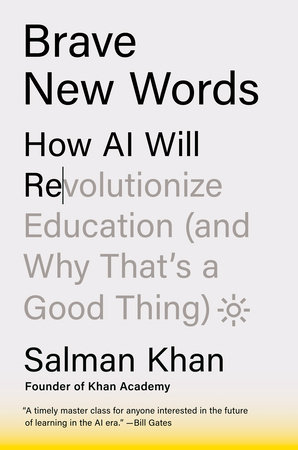
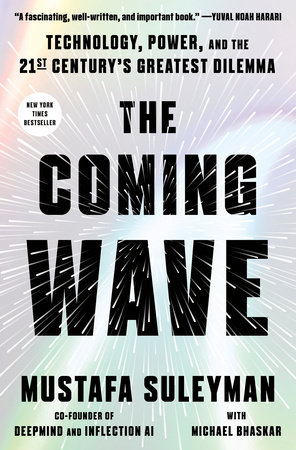


Here you can find a compiled selection of resources to provide a deeper understanding of the topic.



Google Docs
MIT AI Ethics Education Curriculum
An Ethics of Artificial Intelligence Curriculum for Middle School Students Blakeley H. Payne, blakeleyhoffman@gmail.com MIT Media Lab Supervised by Cynthia Breazeal, cynthiab@media.mit.edu August 2019 A student shows off her paper prototype for her redesign of YouTube. Table of Contents T...


The Next Wave of Innovation: AI’s Impact on Educational Paradigms